Thinking about leaving intown Atlanta for more space in Marietta? You are not alone, and the move is not as simple as trading city life for a cheaper suburb. In many cases, Marietta offers a different kind of value: more room, more parking, and a lifestyle shaped by the Square and local parks, while still keeping Atlanta within reach. If you are weighing the tradeoffs, this guide will help you compare housing, commute patterns, pricing, and daily life so you can decide what fits you best. Let’s dive in.
Why Marietta Feels Different
Marietta is not just a smaller version of Atlanta. It is a much smaller city in both population and physical size, with about 60,972 residents across 23.4 square miles, compared with Atlanta’s 498,715 residents across 135.3 square miles. That difference helps explain why Marietta often feels less dense and more suburban in its layout and pace.
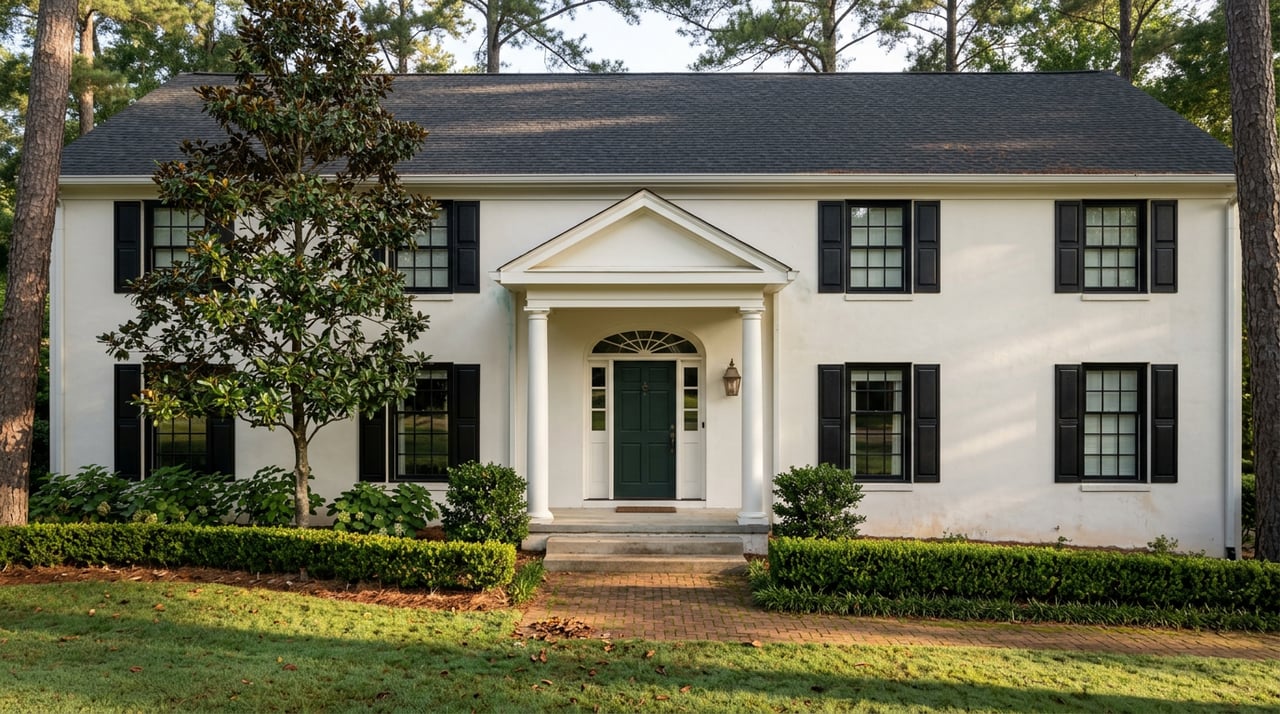
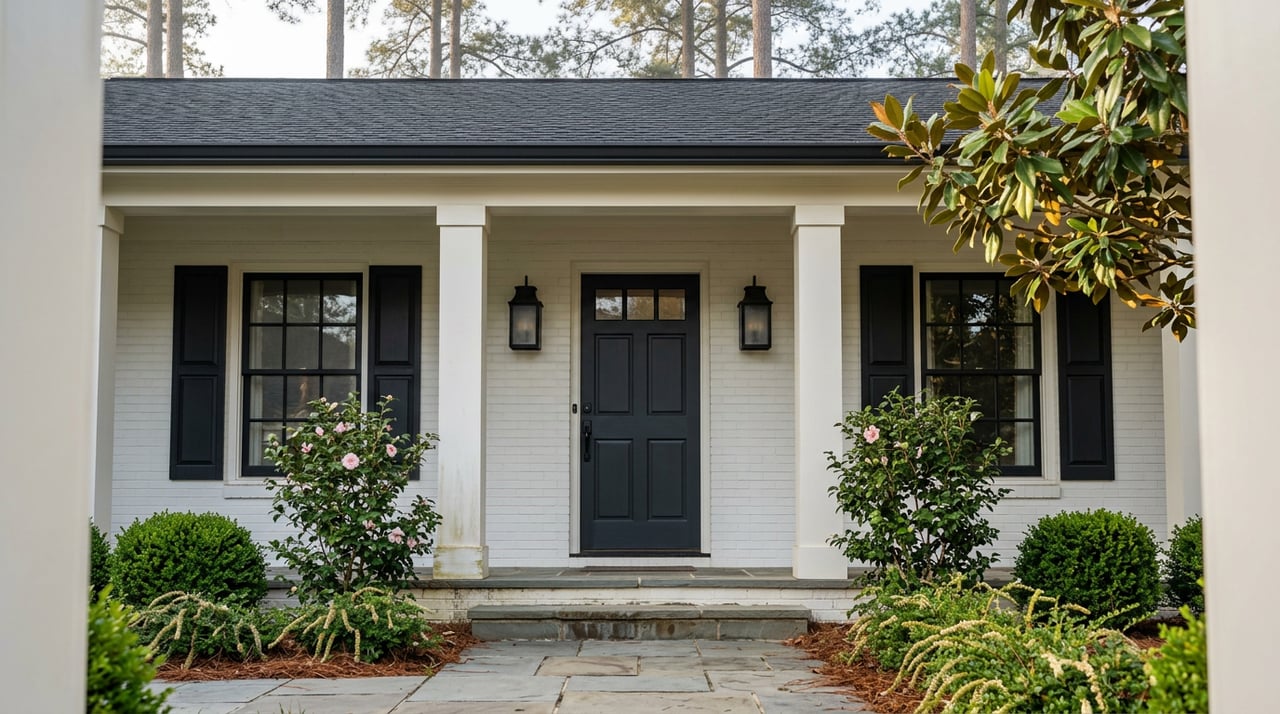
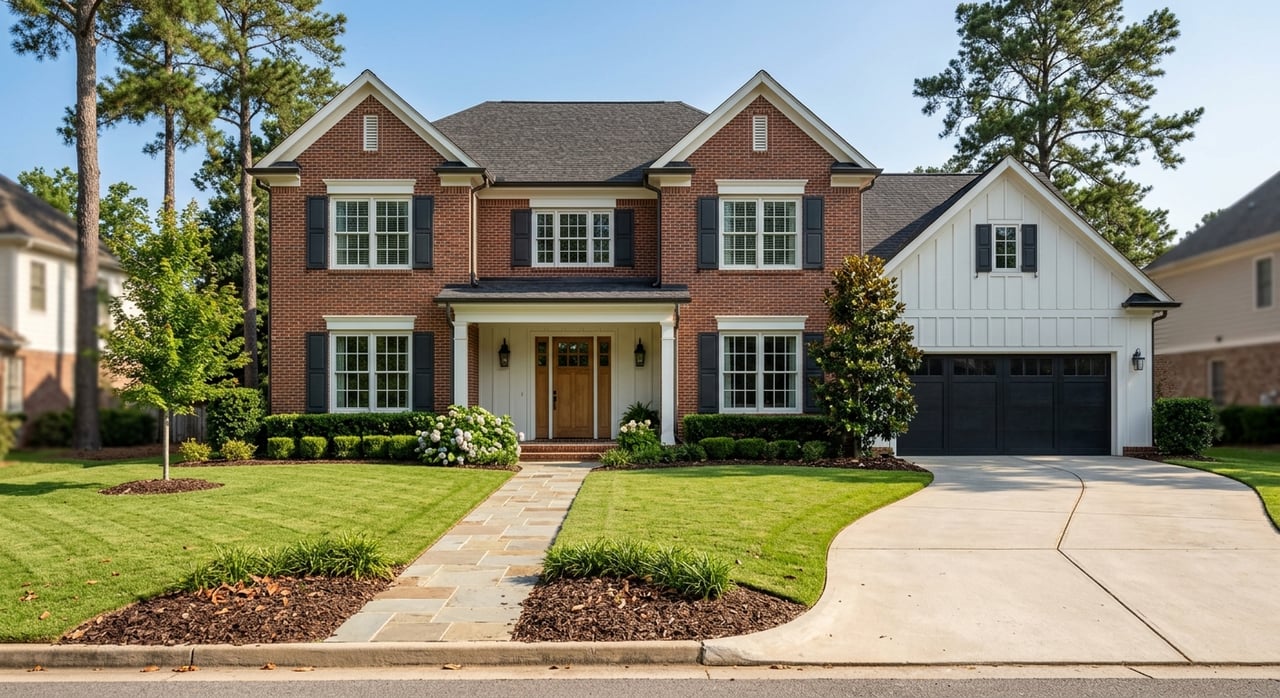
If you are moving from intown Atlanta, you will likely notice the rhythm change right away. Instead of a condo- and apartment-heavy environment with a more urban pattern, Marietta tends to feel more centered on homes, parking, local streets, and community spaces. For many buyers, that shift is the point.
Housing in Marietta vs Intown Atlanta
One of the biggest reasons people make this move is the housing mix. Intown Atlanta remains heavily weighted toward multifamily living, with 46.0% of occupied housing units in buildings with 10 or more units. Detached homes make up 36.0%, and attached single-unit homes make up 6.9%.
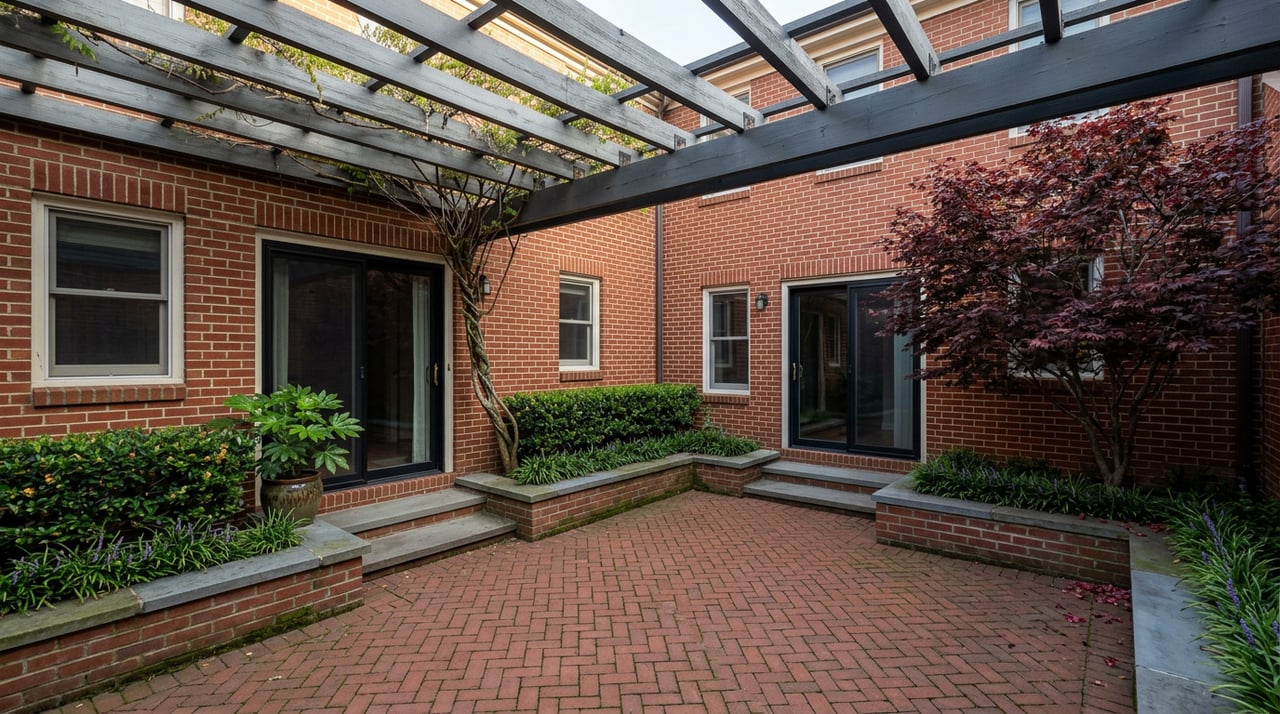
That means if you are used to browsing condos, apartments, or dense mixed-use buildings, Atlanta still offers more of that product. Marietta, by contrast, gives you a broader menu of housing types with a stronger house-centered feel. You can still find condos and attached options, but detached homes and townhomes play a bigger role in the market.
Current city-level market snapshots also help illustrate that range. Recent figures show median sale prices in Marietta around $544,723 for single-family homes, $395,078 for townhouses, and $209,920 for condo or co-op properties. That spread is useful because it shows Marietta is not one single price point or one single lifestyle.
What that means for your home search
If you are moving from intown Atlanta, your search criteria may need to shift. In Marietta, buyers often focus more on lot size, number of bedrooms, garage space, storage, and outdoor living. In Atlanta, the search may lean more toward walkability, building amenities, or rail access.
Neither approach is better. It just depends on what matters most in your next chapter. If your priority is more physical space and a more suburban daily setup, Marietta may line up well with your goals.
Is Marietta Actually Cheaper?
This is where many buyers get surprised. Marietta is not automatically the budget option compared with intown Atlanta.
Zillow’s latest city snapshots show Marietta with an average home value of $479,794, a median sale price of $439,333, and average rent of $1,719. Atlanta’s figures show an average home value of $389,027, a median sale price of $400,000, and average rent of $1,888.
The Census Bureau offers another useful comparison. Median value for owner-occupied housing units is $448,500 in Marietta and $439,600 in Atlanta. Because these sources use different methods, the cleanest takeaway is this: Marietta often costs a similar amount, or sometimes more, but you may be paying for a different housing product with more space.
Value is about more than price
If you are expecting a major price drop by moving to Marietta, that may not happen. Instead, what many buyers gain is different value. You may get more square footage, a different home style, more parking, or a less dense setting.
That is an important mindset shift. The move from intown Atlanta to Marietta is often about changing how you live day to day, not simply lowering your purchase price.
Commute Changes: Time vs Style
Many buyers assume moving farther out means a much longer commute. The data suggests the time difference is smaller than you might think.
Marietta’s mean travel time to work is 27.5 minutes, while Atlanta’s is 26.5 minutes. So for many households, the real difference is not the number of minutes. It is how the commute works.
Intown Atlanta has direct MARTA rail access through stations such as Arts Center, Midtown, Five Points, and Georgia State. Marietta relies more on CobbLinc, including local routes, commuter service to Downtown and Midtown Atlanta, transfer centers in Marietta and Cumberland, and county park-and-ride lots. CobbLinc also offers CobbLinc Go on-demand service in south and southwestern Marietta.
What to expect in daily life
If you move to Marietta, your routine may become more drive- and transfer-oriented. That can work well for buyers who want a home-centered lifestyle and do not mind planning around parking, park-and-ride options, or bus connections.
If you strongly prefer a rail-first lifestyle, intown Atlanta still has an edge. So when you compare locations, it helps to think beyond commute time and ask yourself a more practical question: How do you want your commute to feel?
The Marietta Lifestyle
For many movers, Marietta’s biggest appeal is not just the house. It is the lifestyle that comes with it.
The city describes Marietta Square as the central gathering place, with festivals, concerts, markets, shopping, restaurants, museums, theatres, and parking around Glover Park. That creates a local rhythm that feels distinct from intown Atlanta’s denser urban pattern.
Marietta also operates 18 parks with recreation centers, trails, sports fields, playgrounds, and other amenities. That gives residents access to a wide range of public spaces and activities woven into everyday life.
A different kind of convenience
In intown Atlanta, convenience may mean rail access, denser housing, and closer-in urban activity. In Marietta, convenience often looks different. It may mean easier parking, more room at home, a neighborhood park nearby, or spending time around the Square.
If that sounds more aligned with your lifestyle now, Marietta can be a strong fit. If you still want the energy and mobility of intown living, Atlanta may remain the better match.
Who Marietta Often Fits Best
Marietta tends to make the most sense for buyers who want a change in daily rhythm without fully disconnecting from Atlanta. It can be especially appealing if you are looking for:
- More interior space
- More outdoor space
- Easier parking
- A broader mix of detached homes, townhomes, and condos
- A lifestyle anchored by the Square and city parks
- Access to Atlanta without needing to live in the middle of it
That does not mean every intown buyer should move. If your priorities include multifamily density, direct rail access, and a more urban pace, intown Atlanta still offers a stronger fit.
How to Think Through the Move
Before making the jump, it helps to compare your current life with the one you want next. Try evaluating the move through these four lenses:
Space
Do you want more bedrooms, more storage, a yard, or more separation between living areas? If yes, Marietta may offer the kind of housing setup you have been missing.
Transportation
Are you comfortable with a drive-first or park-and-ride routine? If yes, Marietta can work well. If direct rail access matters to you, that may be harder to replace.
Budget
Are you moving for lower costs, or for better value in the kind of home you get? That distinction matters because Marietta may not be meaningfully cheaper.
Lifestyle
Do you want your free time to center more on home, parks, and a local downtown core? Or do you still want a denser urban routine? Your answer may point you clearly in one direction.
Final Thoughts on Moving to Marietta
Moving from intown Atlanta to Marietta is less about escaping the city and more about choosing a different housing and lifestyle model. The commute can still be manageable, but the bigger changes are usually space, parking, and the pace of everyday life.
Marietta stands out when you want more room and a home-centered routine built around the Square and parks. Intown Atlanta still wins for buyers who want stronger rail access, more multifamily options, and a more urban rhythm. The right move depends on what you want your next season of life to look like.
If you are thinking through that decision and want personal guidance, Malka Shulman can help you compare your options and make your next move with confidence.
FAQs
Is moving from intown Atlanta to Marietta cheaper?
- Not always. Current data suggests Marietta is often similarly priced or sometimes higher, depending on the type of home, but it may offer more space and a different lifestyle.
How different is the Marietta commute from intown Atlanta?
- Mean travel times are close, with Marietta at 27.5 minutes and Atlanta at 26.5 minutes, but Marietta is more drive- and transfer-oriented while intown Atlanta is more rail-focused.
What kind of homes can you find in Marietta?
- Marietta offers a broader mix of detached homes, townhomes, and condos, with a more house-centered feel than intown Atlanta.
What is daily life in Marietta centered around?
- Much of Marietta’s local identity is centered on Marietta Square and the city’s 18 parks, which support recreation, events, and community gathering.
Is Marietta a good fit if you like urban living?
- It depends on what parts of urban living matter most to you. If you want rail access and denser multifamily living, intown Atlanta may be a better fit. If you want more space and a different day-to-day rhythm, Marietta may be worth a closer look.