Thinking about trading BeltLine energy for more space and a slower pace? If you live intown now, a move to Milton can feel like a major lifestyle shift, not just a change of address. This guide will help you compare daily life, housing, commuting, and outdoor living so you can decide if Milton fits what you want next. Let’s dive in.
Milton Feels Different Right Away
If you are moving from intown Atlanta to Milton, the biggest change is density. Milton has about 41,490 residents across 38.49 square miles, while Atlanta has about 520,070 residents across 135.31 square miles. That works out to roughly 1,072.8 people per square mile in Milton versus 3,685.7 in Atlanta.
In real life, that often means quieter streets, more distance between homes, and less of the constant activity you may be used to intown. Milton describes itself as rural but not remote, which is a helpful way to frame the move. You are still connected to the metro area, but your surroundings usually feel much calmer.
Space Is a Major Reason People Move
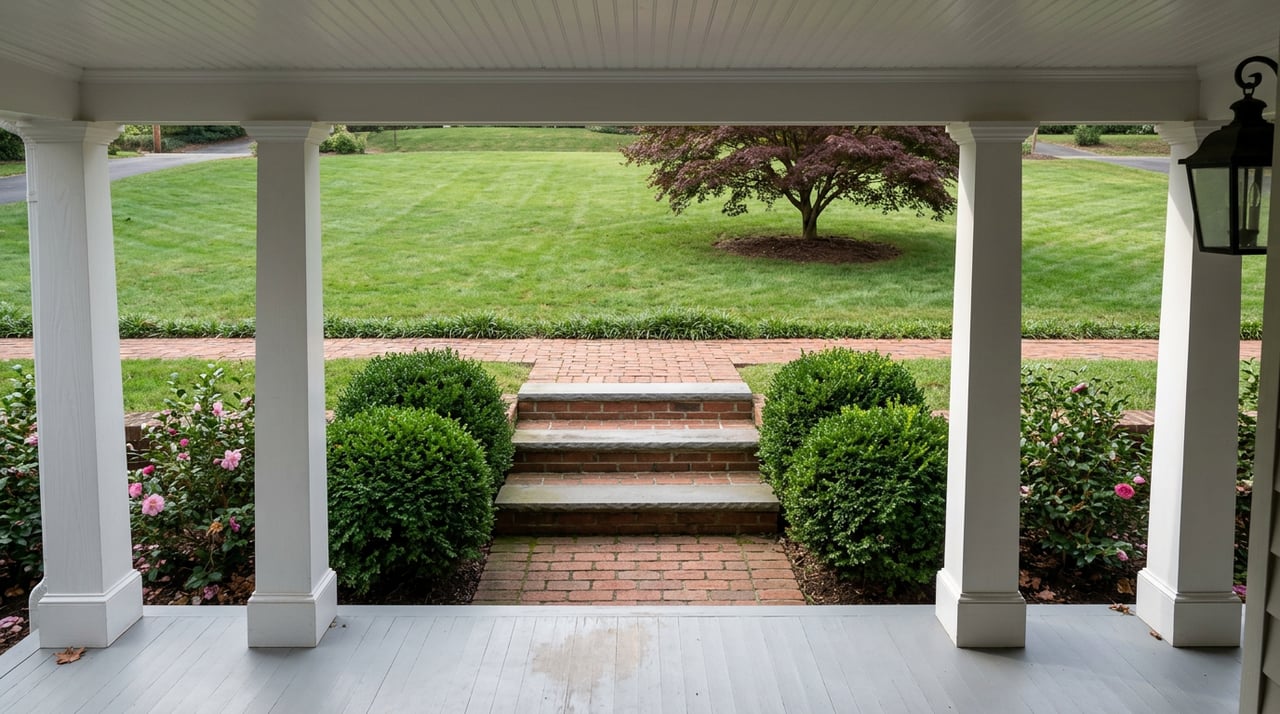
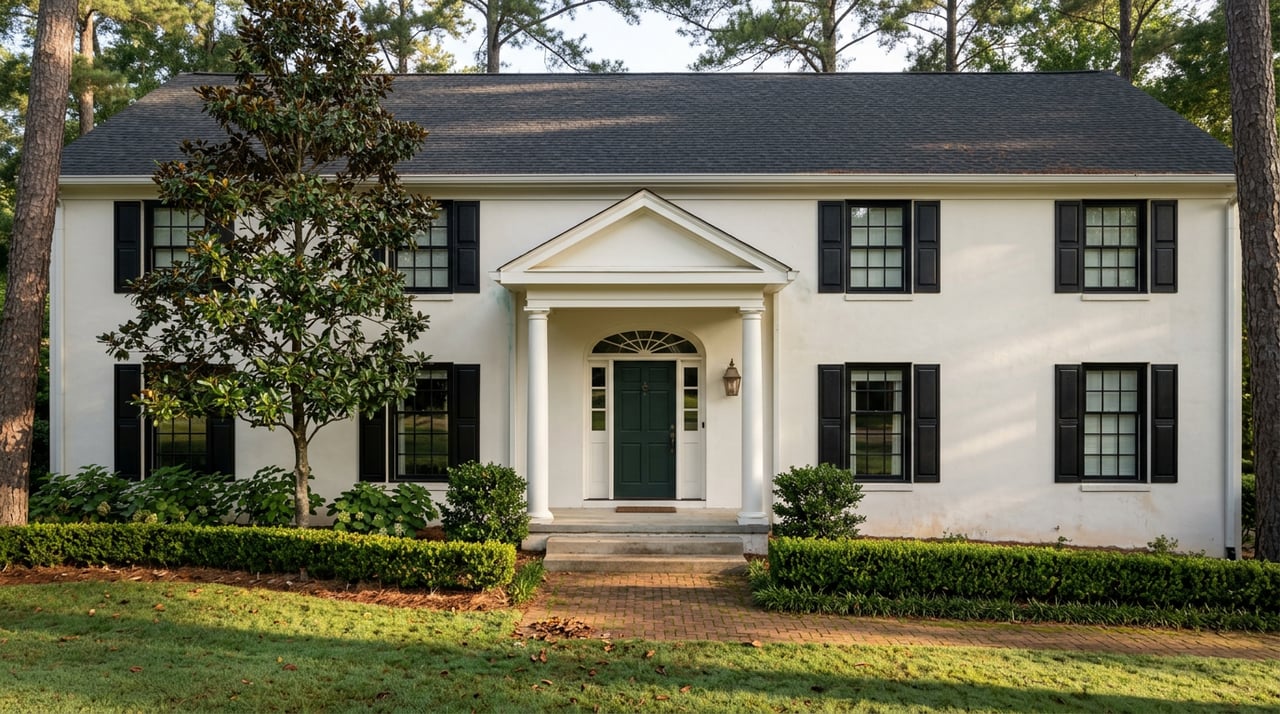
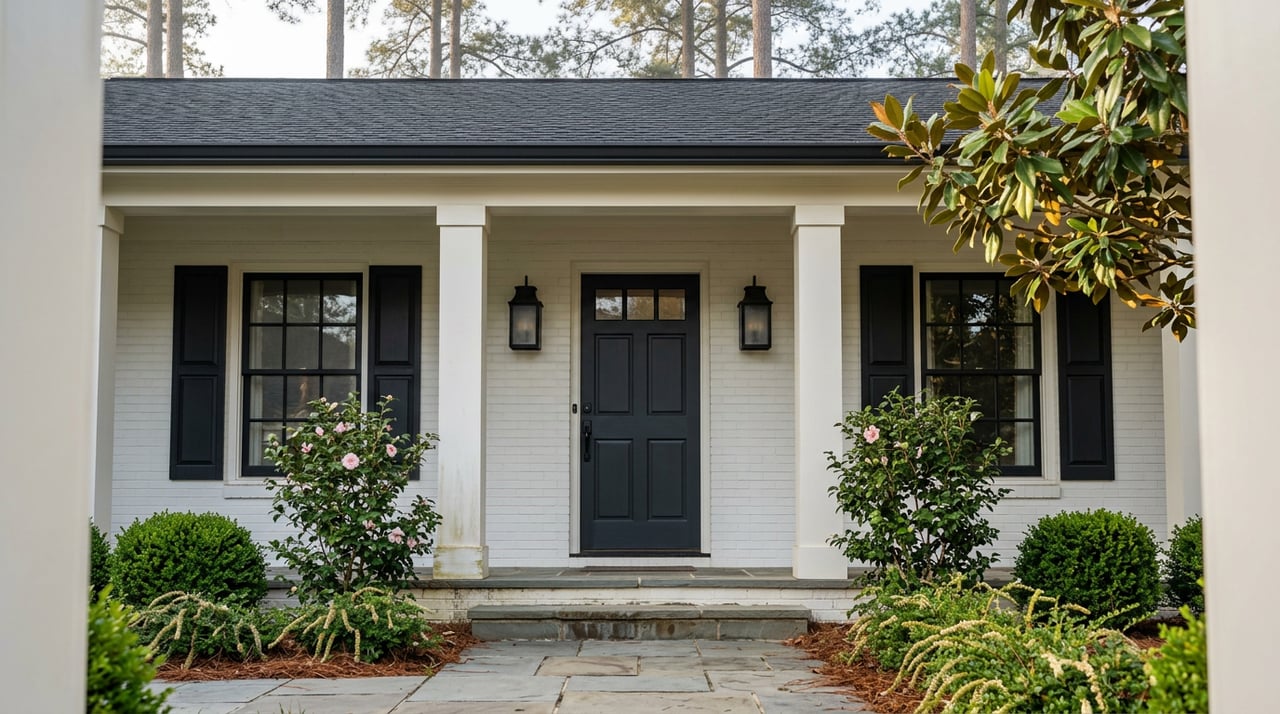
For many buyers, the appeal of Milton starts with land. The city says about 85% of its 39-plus square miles are agriculturally zoned, and those areas require residential lots of at least 1 acre. That is a very different setup from many intown Atlanta neighborhoods, where homes often sit on much smaller lots.
Milton’s comprehensive plan reinforces that space-first pattern. In its Agriculture, Equestrian, Estate Residential areas, homes are often on several acres, with minimum 3-acre lots on gravel roads. Even the city’s low-density residential category is defined at 1 acre or more.
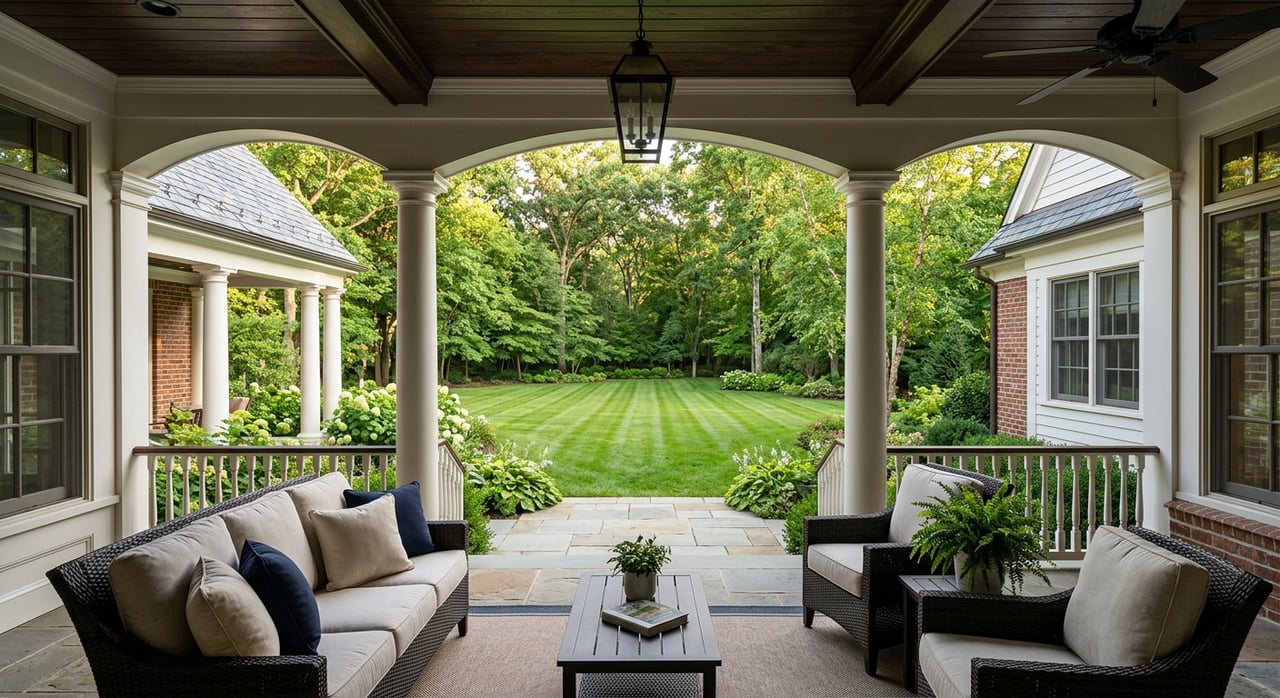
If you have been hoping for a larger yard, more privacy, or simply more room between you and your neighbors, Milton may deliver that in a way intown Atlanta usually cannot. The trade-off is that you give up some of the compact, close-in convenience that makes intown living attractive.
Housing Patterns Support a Different Lifestyle
Milton also leans more heavily toward owner-occupied housing. The owner-occupied rate is 72.5% in Milton, compared with 46.4% in Atlanta. Average household size is also larger in Milton at 2.72 people, versus 2.00 in Atlanta.
Those numbers do not tell you everything, but they do help explain the feel of the area. Milton is more oriented toward households looking for space and long-term residential living. Atlanta, especially citywide, includes more renters, smaller households, and a wider mix of housing types.
For broad home value context, the median owner-occupied home value in Milton is $789,000, compared with $439,600 in Atlanta. Since Atlanta includes many very different neighborhoods and housing styles, this is best used as general context rather than a direct neighborhood-to-neighborhood comparison.
Daily Life Changes More Than You Think
One of the biggest adjustments after moving from intown Atlanta to Milton is how you handle everyday errands. Intown, it can be realistic to combine a coffee stop, dinner plans, and a walk on a single route. In Milton, errands are more often corridor-based and car-based.
The city identifies Highway 9 as the backbone of Milton’s main commercial area, and planning materials point to the Deerfield and GA 400 area as a major commercial driver. That usually means your routine becomes more about driving to key destinations than walking to nearby spots.
This is not necessarily a drawback. For some buyers, it feels easier and less hectic. But if you love spontaneous walkable outings, it is important to be honest with yourself about how much you will miss that pattern.
Commute Expectations Matter
If you work in the Perimeter, Buckhead, Midtown, or Downtown, commuting should be one of the first things you think through. Milton’s transportation planning says many residents commute into the Perimeter and Downtown Atlanta, with GA 400 serving as the main corridor. That makes your office location a big part of whether Milton feels practical day to day.
On paper, average commute times look fairly close: 28.0 minutes in Milton and 26.5 minutes in Atlanta. But the experience behind those averages is very different. In Milton, transportation is much more auto-oriented, while intown Atlanta gives you more ways to mix driving, rail, bus, or walking.
Milton’s plan also notes that a transit trip often involves driving to the Windward Parkway Park & Ride, transferring to a MARTA bus, and then transferring again to rail or another bus. There are no dedicated bus lanes on GA 400, and transit options are limited compared with intown Atlanta. If you currently rely on MARTA stations like Midtown, North Avenue, Five Points, or Inman Park/Reynoldstown, that will be a noticeable shift.
Milton Offers a Different Kind of Outdoor Life
If your favorite part of intown Atlanta is the BeltLine, this is another area where the move feels very different. The BeltLine is a 22-mile loop of trails, parks, and future transit connecting 45 neighborhoods, with restaurants, events, public art, shopping, and dining along the way. It blends outdoor time with city energy.
Milton’s outdoor experience is quieter and more nature-focused. The city emphasizes parks, greenspace, trails, wildlife habitats, and rural heritage. Its greenspace program grew after voters approved bonds to acquire land for trail areas, conservation land, and natural areas.
A good example is the 106-acre Lackey/Lakhapani Preserve, which opened with a 1.5-mile loop trail plus additional trail segments. That gives you a sense of what outdoor time can feel like in Milton. Instead of a social urban corridor, you are more likely to find a preserve, a trail network, and a slower setting.
Rural Character Is Part of Milton’s Identity
Milton’s rural character is not just branding. The city has an Equestrian Committee that considers issues important to its equestrian community. It also has a Trails Advisory Committee focused on preserving Milton’s rural nature through a trail network for walkers, bicyclists, and horse riders.
That matters because it shows how the city thinks about growth and daily life. In Milton, horses, trails, open land, and lower-intensity development are part of the local identity. If that sounds appealing, the move may feel like a strong lifestyle match.
School Zones Change With the Move
If school assignment matters to your move, plan to verify zones early. Milton residents are served by the Fulton County School System. If you are moving from an Atlanta Public Schools attendance zone, that is a structural change you will want to review during your home search.
The key here is not to assume that a Milton address works the same way as your current intown setup. School boundaries, feeder patterns, and commute routines may all shift. If this is part of your decision, it helps to review each property carefully before you make an offer.
How to Decide if Milton Fits You
The move from intown Atlanta to Milton usually comes down to one core trade-off. Milton gives many buyers more space, more privacy, and a slower rhythm. Intown Atlanta gives many residents more walkability, stronger transit access, and faster access to dense urban amenities.
You may be a strong fit for Milton if you want:
- Larger lots and more separation between homes
- A quieter, lower-density setting
- More yard space and a nature-oriented environment
- A household routine centered on driving rather than walking
- A residential feel that prioritizes space and privacy
You may need to think more carefully if your top priorities are:
- Walkable restaurants and nightlife
- Quick access to MARTA rail stations
- Car-light living
- Dense neighborhood activity
- Frequent spontaneous outings close to home
Neither choice is better in every case. It depends on what matters most in your next chapter.
What to Consider Before You Move
Before you make the jump, it helps to pressure-test your own routine. Think beyond the house itself and focus on how your week actually works. That is often where the right answer becomes clearer.
Ask yourself:
- How often do you currently walk to dining, shopping, or entertainment?
- How much yard or land do you realistically want to maintain?
- Will your work commute still feel manageable from Milton?
- Do you want a quieter setting more than you want close-in convenience?
- Would trail access and greenspace matter more to you than urban activity?
If your answers lean toward space, privacy, and a slower pace, Milton may feel like a very natural next move. If they lean toward connectivity, walkability, and transit, you may want to look carefully at what you would be giving up.
A move like this is personal, and the best decision usually comes from matching the area to your real daily habits, not just your wish list. That is where thoughtful guidance can make the process much easier.
If you are weighing a move from intown Atlanta to Milton, Malka Shulman can help you compare your options, think through the trade-offs, and find the right fit for your next move.
FAQs
What is the biggest lifestyle change when moving from intown Atlanta to Milton?
- The biggest shift is usually moving from a denser, more walkable urban environment to a lower-density, more car-dependent setting with more space and privacy.
How much more land can you expect in Milton compared with intown Atlanta?
- Milton’s land-use pattern strongly favors larger lots, with about 85% of the city agriculturally zoned and minimum 1-acre residential lots in those areas.
Is commuting from Milton to Atlanta practical for daily work?
- It can be, especially if your route works well with GA 400, but commuting from Milton is generally more car-oriented and less transit-friendly than commuting from intown Atlanta.
How does outdoor living in Milton compare with intown Atlanta?
- Milton’s outdoor experience is more centered on parks, preserves, greenspace, and trails, while intown Atlanta offers more social, urban outdoor activity through places like the BeltLine.
What school system serves Milton, Georgia?
- Milton residents are served by the Fulton County School System, so if school assignment matters to your move, it is important to verify the specific school zoning for any property you consider.
Is Milton a good fit if you want walkability and nightlife?
- Milton may be less ideal if walkable dining, nightlife, and easy transit access are top priorities, because its daily pattern is more corridor-based and auto-dependent.