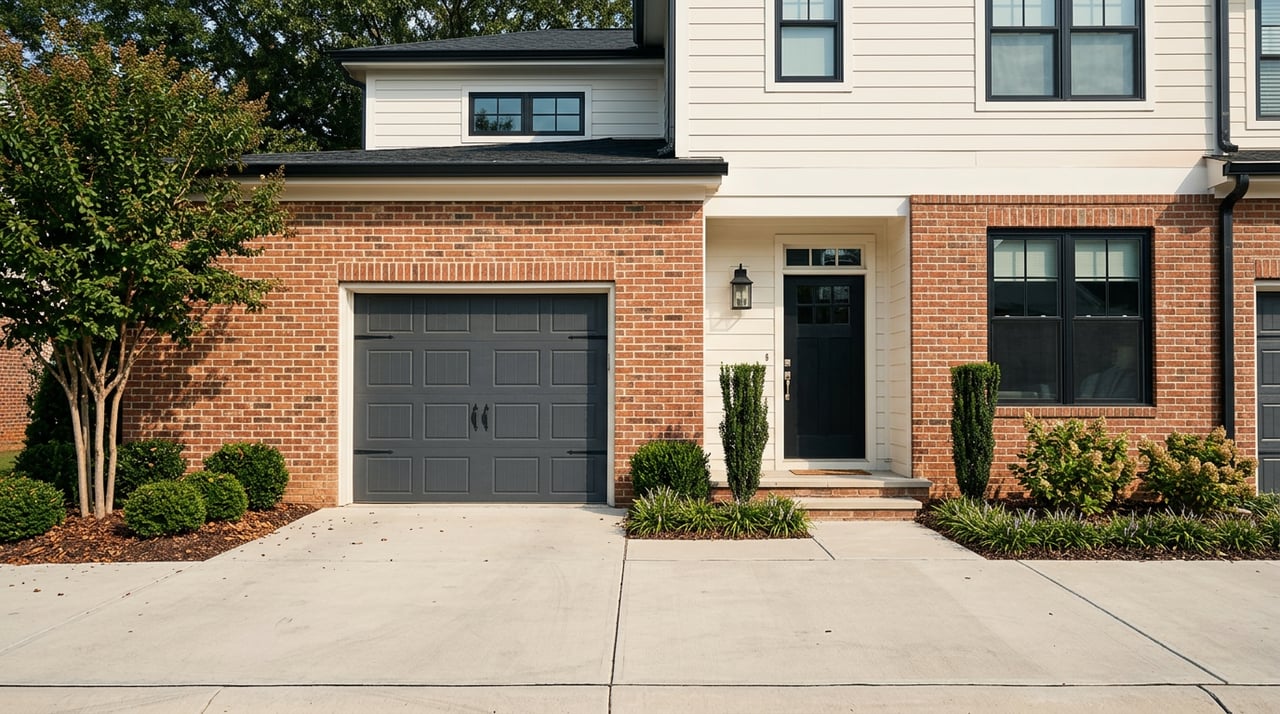
Trying to choose between a townhome and a single-family home in Brookhaven? You’re not alone. Both give you great access to North Atlanta, but they deliver very different daily experiences and costs. In this guide, you’ll see how each option stacks up on price, maintenance, HOA rules, financing, and location so you can buy with confidence. Let’s dive in.
Brookhaven market snapshot
Brookhaven is a high-demand North Atlanta city with steady buyer interest. Price trackers vary by source and date, which is normal. For example, Redfin reported a median sale price around $814,000 in January 2026, while Zillow’s home-value index showed about $720,000 for the same period. Realtor.com listed a median asking price near $699,900 in late 2025. Different methods produce different medians, so use these as a range and confirm the latest numbers when you are ready to write an offer.
Days on market often land in the 60 to 75 day range in recent snapshots. Inventory changes month to month, and micro-neighborhoods can behave very differently from the citywide median. If you are zeroing in on a specific block, you will want the latest comps for that street and property type.
Townhome vs single-family: the basics
Purchase price
Recent aggregator snapshots show a meaningful gap between product types in Brookhaven. Townhomes often trade in the $600,000 to $700,000 range, while detached single-family homes commonly sell from about $800,000 to $900,000 and above. Top-tier townhomes can overlap house prices, but attached homes usually offer a lower entry price for a Brookhaven address.
Monthly costs and HOAs
Many Brookhaven townhome communities include an HOA. Dues often fall between about $150 and $450+ per month, depending on services and amenities. Typical inclusions may cover landscape care, exterior maintenance, common-area insurance, trash, termite contracts, security or gate service, and amenities like a pool or gym. Always confirm the exact coverage with the HOA.
Detached single-family homes do not usually have an HOA that covers exterior items, so you will budget directly for lawn care, roof and exterior upkeep, and repairs as they arise. A simple rule of thumb is to save about 1 percent to 4 percent of your home’s value per year for maintenance. On an $875,000 home, that is roughly $8,750 to $35,000 per year in potential upkeep, though actual costs vary by age, condition, and project choices. You can read more about typical annual maintenance budgeting in this overview from American Family Insurance.
Privacy, space, and parking
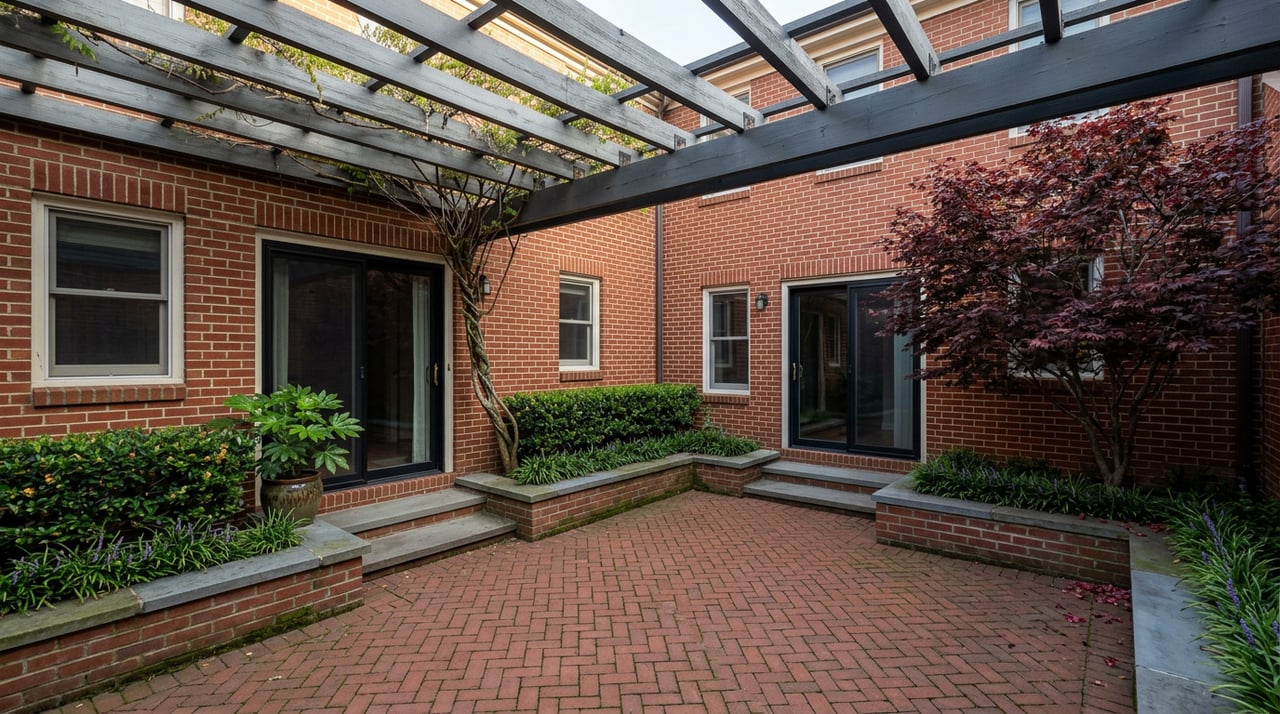
Townhomes trade some privacy for convenience. You may share walls and common areas, and you will likely have a smaller outdoor space or terrace. Parking ranges from garages to assigned spots and guest parking set by the community.
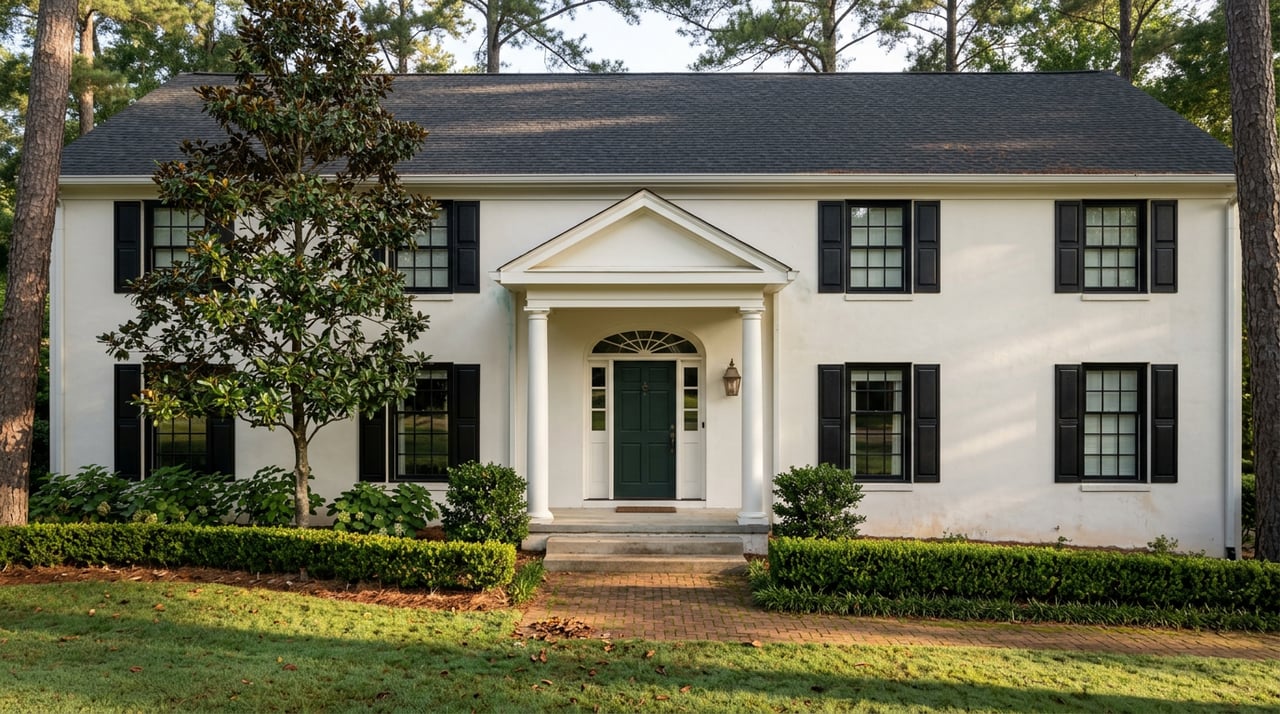
Single-family homes usually provide more yard, more separation from neighbors, and wider driveways or garages. If you want room for pets, gardening, or outdoor entertaining, a house is likely the better match.
Insurance differences
Attached units can have different insurance needs than detached homes. Many condominium-style properties require an HO-6 policy for the interior plus coverage provided by a master policy. Some fee-simple townhouses are insured more like detached homes if exterior elements are owner-controlled. The key is to verify what the association insures versus what you must insure. For a plain-English overview of condo and project-level considerations, review this condo financing guide.
Financing considerations
Lenders underwrite ownership structures differently. Fee-simple townhouses are often treated like single-family homes. Condo-style townhomes may need project approval for certain loan programs, which can affect your options and timing. Ask early whether the property is fee-simple or condominium and have your lender confirm program eligibility up front. The condo financing guide above outlines why this matters.
Where each home type clusters
Dresden Drive and MARTA corridor
Brookhaven’s plan directs more attached housing to walkable corridors and transit nodes. The Dresden Drive and Brookhaven-Oglethorpe MARTA area is a prime example. Mixed-use projects bring retail and restaurants together with townhomes and multifamily, giving you a short walk to daily needs and the train. Parkside on Dresden is a recent example of mixed-use and attached product near transit and retail. Explore the setting on the Parkside on Dresden site and the city’s zoning map for context.
Interior single-family pockets
Many interior neighborhoods remain primarily detached single-family. Areas like Historic Brookhaven, Ashford Park, and Brittany, plus park-edge streets near Murphey Candler Park, tend to feature larger lots, privacy, and traditional curb appeal. If you want space to expand or plan outdoor projects over time, start your search in these pockets. Confirm zoning and any nearby development activity using the city’s zoning map.
A simple decision framework
Use these quick questions to choose with confidence.
Lifestyle fit
- Want low maintenance with walkable access to restaurants, retail, and MARTA? A townhome near Dresden Drive or Brookhaven Village can fit well.
- Need a yard, more privacy, or room to add on? A single-family home in Historic Brookhaven, Ashford Park, or a park-edge area may be the better path.
Budget fit
- If you want a Brookhaven address at a lower price point, a townhome often offers a more affordable on-ramp compared to a detached house in the same city.
- If you want a larger lot and more space, plan for a higher purchase price and potential renovation costs over time.
Ongoing cost fit
- For townhomes, add HOA dues to your monthly budget and weigh them against the time and money saved on exterior maintenance.
- For single-family homes, set aside 1 percent to 4 percent of home value per year for upkeep and consider costs like lawn care, roof work, and exterior paint. See the maintenance cost overview for guidance.
Long-term plans
- Planning to rent the property later? Check HOA rental caps and investor limits. Condo projects can have stricter rules that also affect financing options. The condo financing guide explains why project approval matters.
- Planning to age in place? Townhomes can include multiple flights of stairs. A single-story house or a main-level owner’s suite may better support long-term comfort.
Resale and demand
- Townhomes near transit and retail typically attract a wide buyer pool, including professionals and downsizers.
- Detached homes in Brookhaven draw buyers who prioritize space and privacy. Both product types can perform well. The key is choosing a strong micro-location and confirming value with recent comparable sales.
What to verify before you choose
Here is a quick checklist to keep your decision clean and clear.
- Property type and legal form. Confirm if the unit is fee-simple or a condominium and ask for the recorded documents. Financing and insurance depend on it. See the condo financing overview for the basics.
- HOA dues and coverage. Ask for current monthly dues, a list of included services, the most recent reserve study, and any pending or recent special assessments. In Georgia, many associations operate under the Georgia Property Owners’ Association Act, which grants specific powers and lien rights. Review the statute for context at the Georgia POA Act.
- Recent comps by product type. City medians hide block-by-block differences. Request the latest sales for your exact area and property type before you bid.
- Property taxes. Your total bill combines Brookhaven’s city millage with DeKalb County and school levies. The city’s adopted FY2025 millage is 2.74 mills, which is only one line on the bill. Review the city’s millage rate page and monitor DeKalb County tax updates since county and school millage changes can move your total payment.
- Zoning and nearby development. Verify whether the property sits in a planned corridor or near an active rezoning case. Redevelopment can add construction noise or future density. Use the city’s zoning map to check site specifics.
- Lender program fit. If the unit is a condo or part of a PUD, confirm project approval and loan program availability with your lender at the start to avoid delays. The condo financing guide is a useful primer.
Example cost comparison
Here is a simple way to compare monthly costs. Start with your principal and interest, then add taxes, insurance, and either HOA dues or estimated maintenance.
- Townhome estimate: Mortgage + property taxes + unit insurance + HOA dues. If HOA covers exterior and landscaping, your out-of-pocket maintenance may be minimal and more predictable.
- Single-family estimate: Mortgage + property taxes + homeowner’s insurance + monthly maintenance set-aside. Use 1 percent to 4 percent of the home’s value spread over 12 months as a planning figure. Adjust if you plan big projects in year one.
Run both numbers side by side for a fair picture of true monthly cost.
Neighborhood takeaways
- Choose a townhome if you want low-maintenance living and short walks to retail and MARTA in the Dresden and Brookhaven Village areas. Confirm HOA rules, project health, and any rental restrictions.
- Choose a single-family home if you want a yard, privacy, and the ability to customize over time in Historic Brookhaven, Ashford Park, Brittany, or near Murphey Candler Park. Verify zoning, setbacks, and feasibility before planning additions.
Ready to compare your options?
You do not have to figure this out alone. If you want tailored advice, recent block-level comps, and a clean checklist for HOA, financing, taxes, and zoning, reach out. Malka Shulman will help you match your lifestyle, budget, and timing to the right Brookhaven property and guide you from search to close with personal, responsive service.
FAQs
What is the typical price gap in Brookhaven?
- Recent snapshots show many townhomes trading around $600,000 to $700,000 and many detached homes from about $800,000 to $900,000+, with exact medians varying by vendor and date.
How much are Brookhaven townhome HOA dues?
- Dues often range from roughly $150 to $450+ per month, depending on amenities and services; verify what is included, reserves, and any special assessments.
How do Brookhaven property taxes work?
- Your bill combines Brookhaven’s city millage with DeKalb County and school millage; see the city’s millage page and check DeKalb updates.
Are townhomes easier to maintain than houses?
- Often yes, because many HOAs handle exterior care; compare HOA dues against single-family upkeep using the 1 percent to 4 percent annual maintenance rule of thumb.
How does financing differ for townhomes and condos?
- Fee-simple townhomes are often underwritten like houses, while condo-style units may require project approval that affects loan programs; see this condo financing guide.